California CASp Inspection Costs Explained | What Impacts Your Accessibility Audit Price

A CASp inspection is a state-recognized accessibility assessment defined under California Civil Code 55.52–55.545 and the accessibility requirements in Title 24, Chapter 11B. It evaluates whether your property meets both federal ADA standards and California’s stricter design and construction rules. This is far more involved than a basic ADA walkthrough, and that added complexity is one of the main reasons inspection costs in California can vary so widely.
Owners usually start asking about pricing after a remodel, a lease negotiation, or an accessibility complaint, and they quickly discover there is no single “standard” fee. Costs shift based on square footage, property type, number of restrooms, parking layout, measurement time, and the legal risk profile of the site. Report depth matters too; a CASp 2 report with Safe Harbor protections takes longer and costs more than a basic evaluation.
If you’re budgeting for compliance, the first thing to understand is that CASp pricing isn’t one-size-fits-all. Costs shift based on square footage, property use, existing violations, legal risk, inspection scope, and whether you need a CASp 1 or CASp 2 report. Here’s what that means for your bottom line and what you should expect as you compare quotes across California.
Top Things to Know About CASp Inspection Costs in California
Before comparing quotes or scheduling an inspection, it helps to ground yourself in how CASp pricing actually works in California. Most owners start this process after a remodel, a tenant improvement, or a legal threat, and cost clarity becomes the first priority. Here are the points that shape what you’ll pay and why the numbers can swing so widely from one property to another.
CASp inspections cost more in California because Title 24 is stricter than federal ADA.
Typical ranges run from around $750 for small sites to well over $50,000 for multi-building campuses.
The biggest cost drivers include restrooms, slopes, parking lots, path-of-travel routes, and older construction.
CASp 1 and CASp 2 reports differ in scope, price, and the level of Safe Harbor protection they offer.
Reinspection’s and transition-plan updates often add costs owners don’t account for when budgeting.
Many owners are surprised to learn how dramatically restrooms and slopes influence the final price. A compact suite with two tight restrooms and an uneven parking lot can cost more to evaluate than a larger modern building with clean geometry. Understanding these patterns early helps you budget realistically and avoid unexpected inspection fees.
What a CASp Inspection Includes in California
When you hire a CASp inspector in California, you’re not getting a surface-level ADA walkthrough. You’re getting a legally recognized evaluation that measures your site against some of the strictest accessibility rules in the country. The bulk of the cost comes from how much must be measured, documented, and verified under Title 24 Chapter 11B. Here’s what that actually looks like in practice.
Required components under Title 24 Chapter 11B
Each CASp inspection has to cover the core elements defined in Chapter 11B, and these sections are what drive time, measurement complexity, and ultimately cost. Older buildings, tight spaces, and unusual slopes magnify this work quickly.
11B-206 Accessible Routes
Accessible routes take significant time to assess because every slope, cross-slope, transition, and surface irregularity must be measured. Path-of-travel issues are among the most common violations, and they can require dozens or hundreds of slope checks on larger sites.
11B-502 Parking Requirements
Parking is one of the biggest cost drivers because California imposes stricter rules on stall dimensions, access aisles, slopes, and signage than the federal ADA. Multi-lot or sloped sites take far longer to evaluate, especially when there are EV spaces.
11B-603 Toilet Rooms
Restrooms consistently add time and cost because inspectors must measure clearances, fixtures, reach ranges, turning spaces, and door swings with tight tolerances. Even a small restroom can require twenty or more measurements.
11B-404 Doors & Gates
Doors require multiple checks—clear width, level landings, hardware type, maneuvering clearances, and door pressures. Older doors often need repeated measurements due to inconsistent framing or sagging.
11B-505 Handrails
Handrails are measured for height, continuity, extensions, and grasp ability. Stairs and ramps with inconsistent handrail geometry extend inspection time.
11B-612 Dining Surfaces & Work Areas
Dining surfaces and work areas matter on restaurants, bars, and office spaces, and these elements trigger additional measurements across different seating or counter types.
These sections are the backbone of every California CASp inspection. Each one adds minutes or hours depending on your property’s layout and age.
What CASp inspectors measure during a survey
Before any code analysis can happen, inspectors must gather hard data. This is where most of the on-site time is spent.
CASp inspectors measure:
Slopes across paths of travel, ramps, and parking areas
Clearances at doors, fixtures, and circulation paths
Door pressures to confirm usability
Signage for height, placement, and tactile requirements
Turning spaces in restrooms and other tight areas
Reach ranges for controls, dispensers, and operable parts
Counter heights in reception areas, bars, offices, and retail spaces
Pool and spa lift compliance on properties with aquatic facilities
EV parking accessibility, including 11B-812 updates adopted in recent cycles
Here’s why this matters: these measurements are not optional, and they are not quick. A building with multiple restrooms, aging doors, or sloped walkways will take significantly more time than a modern flat site.
Difference between ADA Standards and California Title 24
California inspections take longer because Title 24 is stricter than the federal ADA.
ADA Standards provide the national baseline. Title 24 adds state-level rules that are narrower, more detailed, and often require more precise tolerances. California also updates accessibility requirements more frequently, meaning inspectors must keep pace with the latest amendments.
This dual-framework structure is what drives up the number of measurements and the length of reports. You’re not being overcharged; the legal environment itself demands more work.
What is included in a CASp inspection?
A CASp inspection includes a full on-site survey, precise measurements, Title 24 and ADA comparisons, photo documentation, and a formal written report that outlines violations, compliance paths, and timelines. The inspector’s role is to give you a defensible view of where your property stands not a quick opinion.
What does a CASp report look like?
A CASp report includes photos, measurements, code citations, and corrective recommendations, organized into a structure that shows you which elements comply and which do not. A CASp 1 provides findings only. A CASp 2 includes a transition plan that supports Safe Harbor protections.
How long does a CASp inspection take?
Yes, inspection time varies widely. A small retail suite may take one to two hours on site, while older buildings, restaurants, multi-floor offices, or sloped campuses can require half a day or more. Drafting the report afterward usually takes longer than the fieldwork itself.
How Title 24 Actually Changes CASp Inspection Costs

California’s Title 24 Chapter 11B is the reason CASp inspections take longer and cost more than standard ADA reviews. Federal ADA Standards set the baseline, but Title 24 adds stricter measurement rules, extra elements to evaluate, and tighter tolerances. When you combine that with local enforcement and California’s lawsuit climate, the inspection becomes far more detailed than in other states.
One of the biggest differences is how many items must be physically measured. Title 24 requires measurements that ADA only references in general terms, which means an inspector spends more time on every door, slope, restroom fixture, and parking stall. Here’s what that means for your cost:
Restrooms
Title 24 checks additional maneuvering clearances, fixture spacing, pipe protection, and turning circles. A single restroom can require 30–50 measurements, which increases inspection hours immediately.Slopes and exterior routes
ADA accepts general compliance. Title 24 requires exact slope percentages with multiple measurement points. Long walkways, older ramps, or uneven concrete add significant time.Doors and hardware
ADA focuses on usability. Title 24 adds specific pull-side and push-side clearances, tactile signage rules, and strict pressure thresholds. Every door becomes a detailed inspection task.Parking and signage
California enforces more detailed marking, symbol placement, van-access dimensions, and warning signage, which means more elements for your CASp inspector to document.EV spaces (11B-812)
California’s 2024–2025 updates for accessible EV charging stations add new cost drivers. These elements don’t exist in federal ADA, so only Title 24 applies — and only California inspectors are trained to evaluate them correctly.
Because these rules stack on top of federal ADA, a CASp inspection is not the same as an ADA audit, and this is exactly why pricing in California starts higher. More measurements mean more field hours, more report detail, and more responsibility for the inspector. Owners often compare a $600 ADA walkthrough with a $3,000 CASp quote without realizing they represent two completely different levels of legal defensibility.
How Much a CASp Inspection Costs in California
CASp pricing in California varies more than most owners expect. The range is wide because no two properties have the same layout, age, number of restrooms, or path-of-travel conditions. Inspection time is driven by how many elements must be measured under ADA and Title 24, not just square footage.
Price Ranges by Property Type
Different buildings carry different code burdens. A small shop might require only a handful of measurements, while a medical suite or hotel can involve hundreds. Here’s what you can expect across common California property categories.
Small retail (0–2,500 sq ft): $750–$2,000
Yes, small retail sits at the lower end of the range because there are fewer restrooms, limited circulation spaces, and simpler parking layouts. Older storefronts land higher due to tight interior geometry.
Restaurants & Cafes: $1,500–$5,000
Yes, restaurants cost more because kitchens, dining areas, counters, and restrooms create dozens of required measurements. Tight spaces and heavy public use add complexity. Owners often explore restaurant accessibility consulting when kitchens and seating layouts create complicated Title 24 conditions.
Medical Offices: $2,500–$8,500+
Yes, medical suites require detailed analysis—multiple exam rooms, sinks, equipment clearances, and restroom complexity elevate both inspection and reporting time.
Hotels & Motels: $4,000–$12,000+
Yes, hospitality properties take longer because inspectors must evaluate guest rooms, paths of travel, pools, spas, parking, and shared amenities. Multi-story layouts magnify the work. Many hotel owners request hotel and motel accessibility assessments to understand these demands ahead of a full CASp inspection.
Gas Stations: $2,000–$7,000+
Yes, gas stations involve strict Title 24 measurements for fueling positions, pump controls, convenience-store layouts, restroom access, and parking. When owners need clarity on the most common violations, they often start with gas station accessibility evaluations before the CASp visit.
Multifamily Common Areas: $2,500–$7,500
Yes, only common-use areas are inspected, but pools, leasing offices, mailrooms, gyms, and parking structures often expand the scope.
Campuses & multi-building sites: $10,000–$50,000+
Yes, costs escalate quickly on multi-building properties because paths of travel, multiple parking lots, and numerous restrooms multiply the number of measurements.
Regional Variations Across California
Where your property is located also influences pricing. California’s accessibility climate isn’t uniform; enforcement patterns, lawsuit frequency, and site characteristics change from region to region.
Los Angeles, San Diego, San Francisco (highest litigation density)
Yes, prices are higher in these metros because inspectors must prepare documentation that can withstand legal scrutiny. Older structures and tight footprints add more measurement time.
Inland Empire & Central Valley (larger sites, lower complexity)
Yes, costs tend to be lower here because many buildings are newer, flatter, and built with more predictable layouts. Larger sites do add walking time, but measurements are often simpler.
Coastal Areas (older buildings + tight lot configurations)
Yes, older coastal buildings often require longer inspections due to narrow interiors, aging door hardware, and sloped parking lots with limited reconfiguration options.
Why Does Bay Area CASp cost so Much More?
Yes, Bay Area CASp pricing is higher because properties are older, space is tighter, and litigation pressure is stronger than most regions in the state. Inspectors spend more time documenting unusual geometry and preparing defensible reports.
Why Did One Inspector Quote $900 and another $6k?
Yes, large price differences usually come down to scope. Low quotes often reflect a basic evaluation with limited measurement, while higher quotes include comprehensive measurements, a CASp 2 report, or a multi-building survey. The depth of documentation is not the same.
Do Medical Offices Require a More Detailed Report?
Yes, medical offices typically require more detailed reports because exam rooms, waiting areas, diagnostic equipment, and restroom layouts introduce more measurement points and stricter Title 24 expectations. These elements take longer to document properly.
Real-World CASp Cost Scenarios
Business owners often ask why one property is quoted $900 and another $7,000. The difference almost always comes down to scope, age, risk level, and how many elements must be measured under Title 24. Real-world scenarios make this clearer. These examples are anonymous but reflect the conditions California owners run into every day.
Example 1 — Small Retail Unit (Low-Risk, Modern Construction)
A 1,200 sq ft retail shop built in 2018 was quoted $900 for a CASp 1 evaluation. The building already met most ADA requirements, and Title 24 only added minor measurements at the entrance and restroom.
Why the cost stayed low:
Few elements to inspect
Modern compliance and predictable clearances
Minimal report time
Example 2 — Older Restaurant with Tight Restrooms
A 2,800 sq ft restaurant from the 1970s received quotes between $2,800 and $5,200. The biggest driver was the restroom configuration — narrow doorways, tight turning spaces, and older plumbing layouts meant dozens of measurements just in that area.
Why the price range widened:
Legacy noncompliance in multiple areas
Title 24 restroom requirements increased field time
Crowded dining areas required more maneuvering measurements
This is often where a restaurant benefits from restaurant accessibility consulting, especially when planning upgrades or tenant improvements.
Example 3 — Gas Station with Slopes and Fueling Areas
Gas stations almost always cost more than owners expect because California enforces strict rules on slopes, fueling area reach, and pump access. One site in Los Angeles received a $4,200–$7,800 range from different consultants.
Key drivers:
High number of exterior measurements
Multiple slopes along pump islands
Parking + signage complexity
Situations like this are why many operators lean on gas station accessibility evaluations to get ahead of the violations that usually appear in these audits.
Example 4 — 40-Room Motel with Pool and Spa
A mid-size motel received quotes from $6,500 to $12,000. The main cost factors were guest room mobility units, parking layout, steep site topography, and the complexity of pool lift requirements.
Why this cost spikes:
Multiple mobility rooms under both ADA and Title 24
Pool/spa inspection requirements
Large parking lot surface area to measure
Here, owners commonly bring in hotel and motel accessibility assessments because the mix of rooms, amenities, and parking creates a large compliance footprint.
Example 5 — Multi-Building Office Campus
A four-building campus (330,000 sq ft) was quoted $28,000–$52,000 depending on the reporting tier and timeline.
Cost drivers:
Complex layout and long exterior routes
Multiple restrooms on each floor
Extensive parking inventory
Full CASp 2 reporting for Safe Harbor status
Rush deadline tied to a real estate transaction
Large campuses require significant time for both on-site work and drafting a defensible, attorney-ready report.
How Title 24 Path-of-Travel Rules Affect Cost
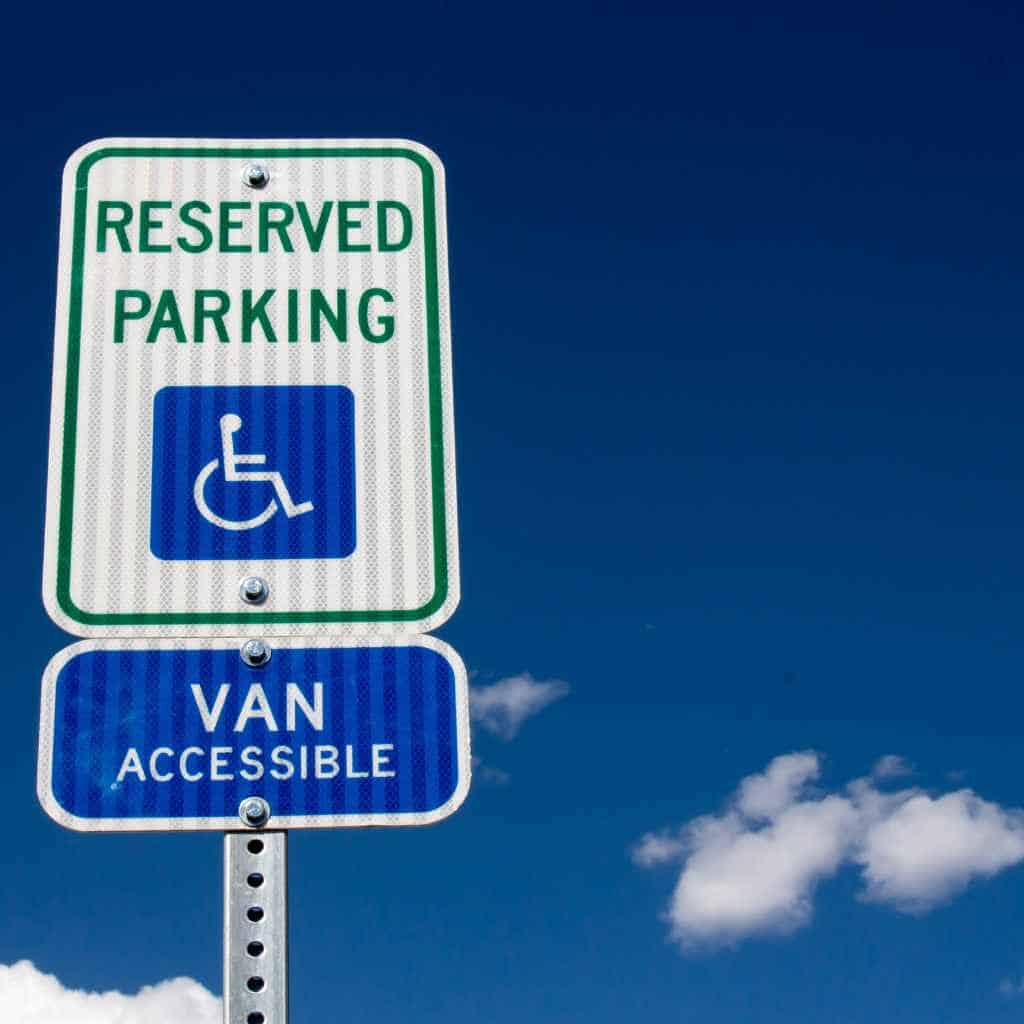
Most California owners don’t realize how much Title 24 path-of-travel rules can expand a CASp inspection. The requirement is straightforward: whenever you upgrade or alter a primary function area, you also must evaluate and upgrade the path of travel leading to that area. That path almost always includes parking, exterior walkways, entrances, restrooms, counters, and drinking fountains — not just the space being remodeled.
A primary function area is any space where your core business happens, such as a dining area, sales floor, or registration desk. Once this area is altered, inspectors must measure everything a customer encounters from the parking lot to that destination.
Why this increases CASp cost
Older California buildings often have steeper slopes, tighter clearances, outdated restrooms, and noncompliant door hardware. Once path-of-travel is triggered, each of these elements must be measured, photographed, and cited under Title 24 Chapter 11B. That adds significant inspection time and increases report depth.
Where inspectors spend the most hours
Parking and access aisles — slopes, spacing, route connections
Walkways and curb ramps — frequent source of noncompliant grades
Entry doors — pressure, clearance, threshold issues
Restrooms — highest measurement density in any building
Service counters — height and reach checks
Signage — correct mounting and type validation
These areas routinely contain multiple violations, which is why the path-of-travel rule is one of the largest cost drivers in California CASp work.
The Real Factors That Impact CASp Inspection Costs (Deep Breakdown)
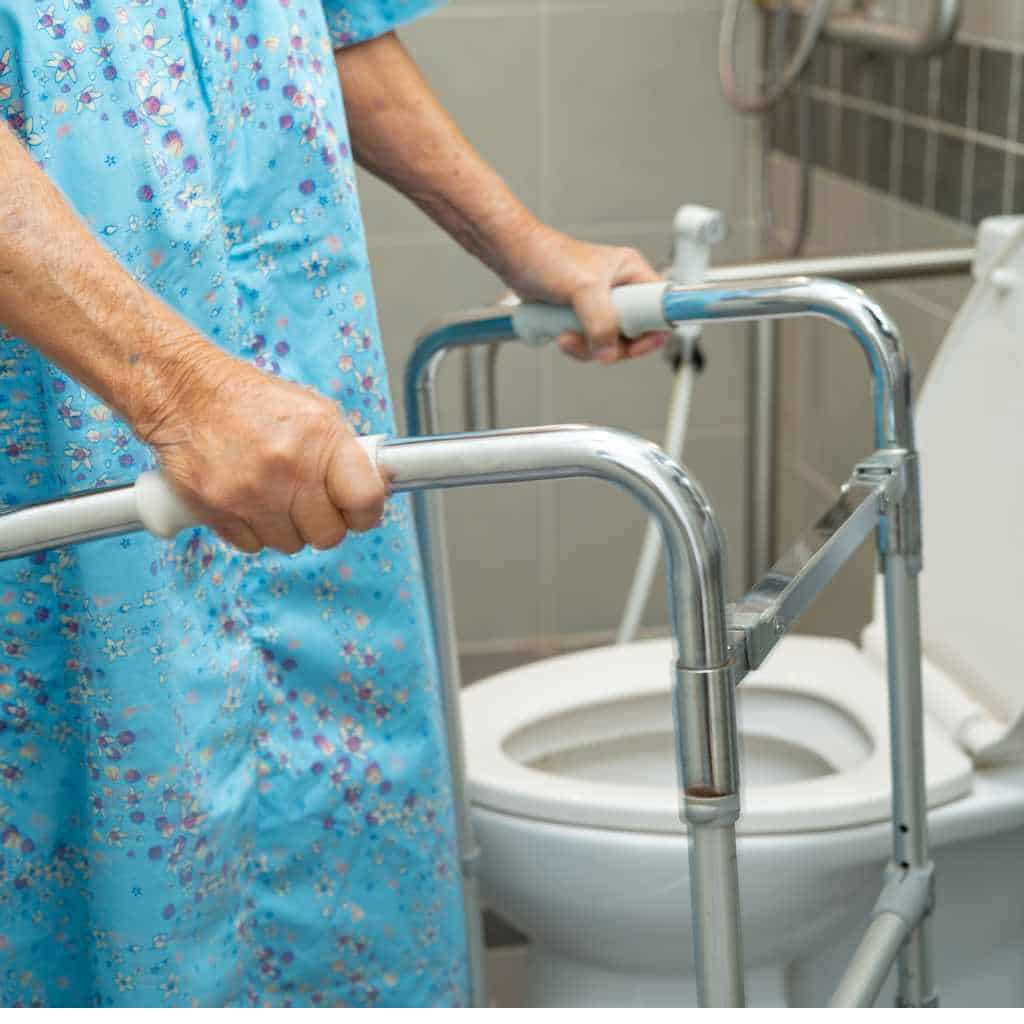
CASp pricing isn’t random. The cost of your inspection depends on how much must be measured, documented, and compared against both ADA Standards and Title 24 Chapter 11B. Properties with more accessibility elements, older construction, or tighter layouts take longer to inspect—and that time is what drives the final price. Here’s a clear breakdown of the elements that influence cost more than anything else.
Number of Accessibility Elements to Inspect
Every measurable element on your property adds inspection time. Some areas require only a few checks; others demand dozens of precise measurements.
Entrances & Doors
Yes, doors add cost because inspectors must measure clear width, hardware type, maneuvering clearances, and door pressure. Older doors often need repeated checks due to sagging or frame shifts.
Restrooms (most time-consuming)
Yes, restrooms are the single biggest time sink, often requiring twenty to forty separate measurements per room. Clearances, turning spaces, fixtures, reach ranges, dispensers, pipes, and door swings all must be verified.
Slopes, walkways, and ramps
Yes, slopes can add significant time because inspectors measure running slopes, cross-slopes, transitions, and surface irregularities. A slightly uneven walkway can require dozens of measurements.
Parking lots, aisles, and signage
Yes, parking takes longer than most owners expect. Stall dimensions, access aisles, slopes, signage heights, and van-accessible requirements all require multiple checks under Title 24.
Counters, seating, registers
Yes, counters and seating introduce extra checks across service counters, dining areas, and workspaces—especially in restaurants and retail.
Elevators & lifts
Yes, elevators and lifts require additional verification, including control reach ranges, car dimensions, door timing, and floor-level accuracy.
EV charging stations (2024–2025 updates)
Yes, EV stations now add measurable work under updated 11B-812 provisions, including accessible stall requirements, slopes, reach ranges, and clear floor spaces.
Each of these categories can add minutes or hours depending on how many exist at your site.
Site Age, Remodel History, and Legacy Noncompliance
Older buildings usually require more time because they predate modern accessibility standards. Yes, older sites create more measurement load, more inconsistencies, and more potential violations. Remodels also matter; partial upgrades often mean certain areas meet ADA but not Title 24, which forces inspectors to measure even more elements to sort out compliance gaps.
CASp 1 vs CASp 2 Report type
The type of report you request affects the price as much as the size of your property.
CASp 1: Access evaluation only
Yes, CASp 1 is a findings-only report, listing what complies and what doesn’t. It’s useful for owners who only need a baseline.
CASp 2: Full Report + Safe Harbor (Qualified Defendant)
Yes, CASp 2 costs more because it includes a corrective plan, timelines, and documentation required for Safe Harbor protections. This takes longer to prepare and must be drafted with legal defensibility in mind.
Emergency, pre-sale, and due-diligence pricing
Real estate deals move fast, and due-diligence timelines are usually tight. Yes, rush inspections cost more because inspectors must prioritize your site over others, accelerate measurement analysis, and produce reports on compressed schedules. Pre-sale evaluations for hotels, gas stations, and restaurants see this most often.
Detailed Time Breakdown
Most owners never see where inspection hours actually go. Understanding the workflow gives you a clearer sense of why costs vary so much.
On-site hours
Yes, on-site time includes walking the property, measuring all elements, documenting violations, and taking photos.
Off-site measurement analysis
Yes, inspectors review every measurement, compare it to ADA and Title 24 thresholds, and determine which items comply.
Drafting the CASp report
Yes, drafting takes longer than the inspection itself, especially when a site has multiple violations or complex layouts.
QC review for legal defensibility
Yes, quality control is essential, particularly for CASp 2 reports that may be used to support Safe Harbor protections.
Final report production
Yes, final formatting, labeling photos, organizing citations, and preparing transition-plan details all take additional time.
How CASp Inspectors Calculate Pricing

Square-footage bands and measurement hours
Square footage alone doesn’t determine cost, but it sets the baseline. Inspectors use it to estimate how long they’ll be on site, how many accessible elements they’ll measure, and how complex the circulation paths will be. A 1,200-square-foot retail shop might take two hours, while a 20,000-square-foot mixed-use building could take an entire day simply because of the number of doors, restrooms, slopes, and parking areas that require measurement.
The bigger factor is the number of elements, not the size of the building. That’s why a compact restaurant may take longer than a large warehouse.
Flat fee vs hourly structures
Every CASp inspector leans on a different billing model based on project risk, site complexity, and reporting expectations. Each one works best in specific situations, and understanding those situations helps you compare quotes accurately.
When flat fees work
Flat fees make sense when the scope is predictable — small retail, straightforward offices, or sites with one or two restrooms. Inspectors know how long these typically take, so pricing is easier to standardize.
When hourly billing is applied
Hourly billing often appears when the inspector expects unknowns. Older properties, tight interiors, and non-standard renovations can push the time far beyond typical ranges. Rather than under- or over-quoting, some consultants stick to hourly work to match the actual effort.
When hybrid pricing is used
Hybrid pricing — part flat fee, part hourly — is common when a standard inspection is simple, but the reporting, CAD work, or transition planning may vary. It’s often used on hotel and motel accessibility assessments when guest rooms or elevator areas need deeper documentation.
What’s included in base pricing vs add-ons
A base CASp inspection covers the on-site evaluation and the core report, but several items often fall outside the standard scope. These add-ons can change the total price, especially when owners want Safe Harbor protections or long-term planning.
Re-inspections
Re-inspections are billed separately because they require another visit, updated measurements, and revised documentation.
CAD diagrams
Some sites benefit from scaled diagrams that clarify slopes, paths, or remodel layouts. CAD drawings require extra time and often involve specialized software.
Transition plans
These are detailed, multi-year remediation plans with cost estimates and legal prioritization. They’re common in commercial accessibility consulting when owners need to plan upgrades across several phases.
Attorney meetings
If legal counsel gets involved — especially during settlement discussions — inspectors often charge for strategy calls, documentation prep, or testimony support.
Tenant improvements
TI projects can shift measurements and compliance responsibilities mid-stream, requiring additional review.
Why do CASp inspectors charge so differently?
Yes, inspectors charge differently because their scope, liability exposure, and reporting standards vary. Some deliver bare-minimum checklists. Others produce highly detailed, litigation-ready reports with photos, measurements, and code references for every finding. The latter takes significantly more time — and dramatically reduces your lawsuit risk.
Is CASp expensive?
Yes and no. CASp feels expensive upfront, but it’s far cheaper than paying settlements, repairs under pressure, or attorney fees. California’s litigation environment makes proactive inspections a financial safeguard, not a luxury. Owners who delay often end up paying far more once a demand letter hits.
What does a CASp bid include?
A CASp bid usually includes the site visit, measurements, draft report, final report, and a list of required corrections. What it doesn’t always include is transition planning, re-inspections, or drawn diagrams. That’s why comparing bids line-by-line matters — not just the number at the bottom.
Additional Costs Owners Often Miss
Most owners focus on the inspection fee and forget the costs that come after the report. These aren’t surprises to inspectors, but they catch property owners off guard all the time. California’s combination of ADA rules, Title 24 Chapter 11B, and remodel triggers means many sites face obligations that go far beyond what they originally planned for. Here’s where budgets typically shift once the CASp findings land on the table.
Title 24 Path of Travel upgrades
Path-of-travel rules are one of the biggest cost drivers during remodels. The moment you alter a primary function area — a tenant space, service counter, dining room, or restroom Title 24 requires that the route leading to that area meet current accessibility standards. Here’s what that means: even a simple remodel can trigger upgrades to entrances, walkways, ramps, doors, or parking.
Owners often assume the remodel budget only covers what happens inside the suite. In California, the exterior and circulation routes frequently become part of the scope once accessibility obligations are triggered.
Barrier removal costs
Barrier removal is where costs stack up quickly. CASp inspections identify dozens of potential issues, but a few categories consistently create the highest expense:
Slopes and cross-slopes
Door hardware and opening forces
Service counters and transaction points
Parking striping and signage
Slopes are especially expensive because correcting them usually requires concrete work, not just minor adjustments. Counters and door hardware are simpler fixes, but the cumulative effect across a property adds up fast.
Construction estimates owners should expect
Once the CASp report is issued, owners need realistic ranges for typical remediation. Costs vary by region and contractor availability, but the patterns stay consistent across the state:
Ramps: $6,000–$25,000 depending on length and site constraints
Parking restriping: $800–$3,500, higher if slopes require correction
Restroom remodels: $15,000–$80,000 depending on structural changes and plumbing
Restrooms are almost always the most expensive element. The combination of turning space, fixture spacing, grab bars, and door clearances makes restroom compliance both time-consuming and construction-heavy.
Legal response costs to ADA demand letters
Many owners misunderstand how CASp status affects lawsuits. CASp reduces legal exposure and can lower settlement amounts, but it does not eliminate risk. You still need to respond to demand letters, update documentation, and complete corrective work. The difference is that Safe Harbor status gives your attorney better leverage, especially when the site is already moving toward compliance.
Tax credits (Federal 44 ADA tax credit + California deductions)
A small portion of remediation costs can be offset through incentives. The Federal ADA 44 tax credit allows eligible small businesses to recover a portion of accessibility expenses, and California offers additional deductions for qualified improvements. These don’t erase the cost, but they help soften the financial impact — especially on multi-year remediation plans.
CASp Costs by California Industry
Industry type shapes CASp pricing more than most owners realize. The law doesn’t change, but the density of accessible elements, the circulation patterns, and the frequency of lawsuits in each sector do. Here’s a clearer look at why some industries land at the low end of the pricing range while others require hours of measurement and documentation.
Gas stations (fueling areas, slopes, pump reach)
Gas stations often cost more to inspect because nearly every element sits outdoors, where slope tolerances are strict and violations are common. Even small grade changes require multiple measurements, and that adds time.
Fueling pad slopes — checked in multiple directions with little margin for error
Pump reach ranges — ADA and 11B have tight limits for forward and side reach
Circulation routes — paths between pumps, parking, and entries must align
Sites with older concrete or irregular pads routinely need deeper evaluation. Owners who want clarity before planning upgrades often start with gas station accessibility evaluations, which help them understand the true scope before construction.
Hotels and motels (guest rooms, pool lifts, parking)
Hotels carry some of the most detailed CASp workloads in California. Each guest room category—mobility, communication, and standard—requires its own measurements, and Title 24 adds another layer of requirements for public amenities.
Guest room types — every category triggers different measurements
Pool and spa lifts — heavily litigated across California
Parking and paths — multiple overlapping ADA and Title 24 rules
This is why a mid-sized hotel can take longer than a large retail store. Many operators lean on hotel and motel accessibility assessments when scheduling remodels or preparing for annual compliance checks.
Restaurants (queues, seating, counters)
Restaurants are compact, but they create more measurement points than almost any other small business. Furniture shifts, seasonal layouts, and narrow walkways create a constant risk of violations.
Table spacing and circulation routes — layouts that shift during peak hours
Queue lines and POS counters — often overlooked, but heavily inspected
Outdoor dining areas — common slope and surface issues
Because these spaces change frequently, many operators rely on restaurant accessibility consulting to prevent recurring violations.
Schools and childcare (DSA considerations)
Schools and childcare facilities demand deeper CASp work because accessibility ties directly into student safety. Public schools fall under DSA, but private preschools and early-learning centers still require precise measurement of playgrounds, restrooms, and drop-off zones.
Playground access routes — surfacing, slopes, and fall zones
Restrooms with child-height fixtures — 11B requires exact spacing
Drop-off and circulation areas — high-traffic zones with strict design rules
Older campuses with phased additions often take longer because layouts aren’t uniform from building to building.
Multifamily (common areas, leasing offices)
Multifamily pricing depends on the number of shared spaces, not the number of dwelling units. Most of the inspection time is spent on common areas, where Title 24 applies heavily.
Leasing offices — frequent subjects of accessibility complaints
Pools, laundry rooms, and community spaces — multiple 11B requirements
Distributed parking — many properties fail here due to slopes and signage
Garden-style properties built before the 1990s often require extensive slope documentation, which extends both on-site time and reporting hours.
Retail centers (multiple tenants, shared parking)
Retail centers require more inspection effort because compliance issues appear in the exterior network, not the suites themselves. Inspectors spend most of their time on the outside connections that link the property together.
Shared parking lots and access aisles — slope, signage, striping, curb ramp transitions
Crosswalks and internal circulation routes — must connect all tenant spaces
Varied tenant entrances — different thresholds, door pressures, and landing areas
Owners often stabilize these issues early through parking lot accessibility consulting, which helps reduce future tenant disputes and surprise remodel costs.
How to Compare CASp Bids Without Getting Misled
When you start collecting quotes, the price spread can feel impossible to judge. One inspector charges $900, another charges $6,000, and both claim to be CASp certified. The only way to make the right call is to compare the scope, not the number. A lower bid often means a shorter site visit, fewer measurements, or a limited report format that won’t help in a lawsuit or during plan check.
A complete CASp bid includes a defined scope, code citations, measurement methods, and reporting level. Anything less will cost you more later—either through re-inspections or unexpected upgrade requirements.
What the bid must tell you
How many hours the inspector will spend on site. A quick walk-through is not a CASp inspection.
Whether measurements follow ADA 2010 Standards and Title 24 Chapter 11B. Both are required in California.
Whether you’re getting CASp 1 or CASp 2. CASp 2 includes Safe Harbor protections and is almost always the better investment.
What areas are included: parking, restrooms, path of travel, counters, drinking fountains, pool lifts, and EV spaces. Missing areas now means paying twice later.
How many findings will be documented with photos and code citations. This is what makes the report legally defensible.
Red flags that signal a weak bid
The inspector says they “don’t need to measure everything.”
No mention of Title 24 or Chapter 11B requirements.
No breakdown of on-site hours vs. report drafting.
A single flat fee with no explanation of scope.
Hourly rates without any estimate of total hours.
These gaps usually show up later as unexpected add-on costs or a report that won’t hold up in a demand-letter situation.
How to choose the right inspector
Pick the bid that is transparent about hours, elements, and code sections.
Ask to see a redacted sample report. A quick look reveals whether you’re getting a legally useful document or a generic checklist.
Verify the inspector is listed on the State Architect CASp Directory. It protects you from hiring unqualified consultants.
Choosing based on price alone is the fastest way to hire someone twice. The right CASp inspector protects your site before you spend a dollar on construction.
How CASp Findings Translate Into Construction Costs
Once your CASp report arrives, the next question is always the same: What will this cost to fix? Every violation has a construction value attached to it, and understanding that relationship helps you plan upgrades realistically instead of reacting to surprises. The key is knowing which findings are “simple corrections” and which push you into structural work.
A CASp finding is a documented barrier that requires correction under ADA or Title 24. Most reports include dozens of these, but only a handful will drive most of your construction budget.
The findings that almost always cost the most
Slopes and cross-slopes — correcting grades often requires concrete replacement, not patching.
Restroom noncompliance — turning radiuses, reconfigured partitions, moving fixtures, widening doors. These are consistently the highest-cost fixes.
Parking lot regrading — correcting slopes greater than 2 percent usually requires resurfacing or milling.
Doorway issues — widening or reframing openings if structural walls are involved.
Counters and transaction surfaces — replacement is often easier than modifying existing millwork.
These items take more time, more labor, and more coordination. That’s why they dominate the budget in older buildings and tight spaces.
Mid-level corrections owners often underestimate
Signage upgrades — compliant tactile signage, correct mounting heights, and wayfinding.
Hardware changes — lever replacements, closers, and pressure adjustments.
Minor path-of-travel repairs — adjusting thresholds, landings, and clearances.
Accessible drinking fountains or coolers — height corrections or cabinet modifications.
Individually, these are small. Together, they add up.
Low-cost items that still matter for compliance
Striping and stenciling
Detectable warnings on curb ramps
Missing clear floor spaces that can be corrected through rearrangement
Simple counter lowering when structural changes aren’t required
These fixes often fall under “readily achievable corrections,” and they’re the best way to show good-faith effort while planning larger upgrades.
Why this matters during budgeting
Construction and CASp work aren’t separate. Your inspection shapes your construction scope, and ignoring that link is how owners fall behind on compliance or overspend. A clear understanding of which findings drive the largest portions of your budget lets you phase work smartly — especially when path-of-travel rules get triggered.
When You Should Choose CASp 2 Instead of CASp 1
Most owners don’t understand the difference between CASp 1 and CASp 2 until they receive a demand letter or get pulled into a tenant improvement project under Title 24. The choice matters because a CASp 2 report provides Safe Harbor protections—and that changes your legal exposure, timelines, penalties, and negotiation strength.
CASp 2 is the formal accessibility evaluation that grants Qualified Defendant status in California. CASp 1 is a basic access evaluation without legal protections. The price difference exists because a defensible CASp 2 requires deeper measurements, more documentation, and attorney-ready reporting.
When CASp 2 is the right choice
You own a restaurant, hotel, gas station, or medical office. These industries face the highest ADA claim frequency in California.
You’re remodeling a primary function area. Path-of-travel rules under Title 24 trigger a broader review, and CASp 2 gives you a defensible plan.
You received a demand letter or anticipate one. Safe Harbor pauses litigation timelines and reduces statutory penalties.
You’re buying or selling a commercial property. Buyers often require CASp 2 for due-diligence, especially in escrow.
You want a phased transition plan. CASp 2 lets you prioritize work legally rather than rushing to fix everything at once.
Your building is older or has known compliance issues. These properties require stronger documentation to withstand scrutiny.
When CASp 1 may be enough
Small, newer retail spaces with minimal elements and low foot traffic.
Tenants who only need a basic assessment before signing a short-term lease.
Owners who want an initial, low-cost scan before committing to full compliance planning.
Why this decision affects price
CASp 2 takes longer because the inspector must document every violation with measurements, photographs, Title 24 citations, and remediation guidance. That level of detail is what courts and attorneys rely on.
CASp 1 costs less because it’s an evaluation, not a legal shield.
Bottom line
If your property carries real ADA exposure, CASp 2 is the smarter and safer investment. The upfront cost is higher, but the legal protection and clarity it provides typically save far more in avoided penalties, attorney fees, and rushed corrections.
Cost vs. Risk: When CASp Saves Owners Money
Most owners look at the inspection fee and stop there. The real calculation is whether a CASp inspection costs less than one ADA lawsuit in California. In this state, a single poorly handled complaint can wipe out far more than the price of a thorough CASp 2 report.
ADA lawsuit costs in California
ADA and Unruh lawsuits in California are expensive because you’re paying for settlements, attorney fees, and statutory penalties at the same time. Knowing the ballpark numbers helps you see what’s really at risk.
Settlement averages – Most small to mid-size businesses resolve cases in the $10,000–$35,000 range, depending on how many violations exist and how quickly they negotiate.
Attorney fees – Plaintiff attorney fees often add $4,000–$20,000 on top of the settlement, and you usually don’t recover your own legal costs.
Civil penalties – Under the Unruh Act, California applies a minimum $4,000 per access barrier, and multiple violations can stack quickly.
What this means in practice: a property with common issues like parking, slopes, restrooms, and doors can hit five figures in exposure before your corrections are even finished.
Safe Harbor protections explained
Safe Harbor is the legal benefit you get when a CASp 2 inspection qualifies you as a “Qualified Defendant.” It doesn’t erase lawsuits, but it changes how they play out.
90-day stay – The court pauses the case for 90 days, which stops immediate litigation escalation and buys time for corrections.
Early Evaluation Conference (EEC) – Both sides meet early with the CASp report on the table, so the discussion focuses on barriers and timelines instead of pure argument.
Reduced penalties – Courts often reduce Unruh penalties when owners show documented progress based on a CASp report, especially when corrections are underway.
Why this matters: with Safe Harbor, you’re negotiating from a position of documented effort, not from a blank slate.
How CASp reports support legal defense
A strong CASp report becomes a technical roadmap for your attorney, not just a punch list of violations. It shows that you understand the issues and are acting on them.
Verified measurements – Measured data under ADA and Title 24 removes guesswork, which narrows what can be argued.
Prioritized corrections – A clear sequence of fixes shows good-faith compliance, which judges and mediators factor into penalties and timelines.
Photo documentation – Labeled photos tied to findings make it easier to settle specific items, rather than debating whether a barrier exists.
Transition plans – A written plan with dates and phases proves you’re moving toward full compliance, not ignoring the problem.
Many owners choose to pair a CASp inspection with commercial accessibility consulting so they have both a defensible report and a practical remediation strategy when legal issues surface.
Industry-Specific Legal Risk Profiles in California (Who Faces the Highest ADA Exposure?)
Not all California businesses face the same level of ADA or Title 24 scrutiny. Some industries are targeted far more often in demand letters and drive higher CASp costs because their sites contain more accessibility elements, more foot traffic, and higher litigation exposure. Your industry directly shapes how deep your CASp inspection must go.
Here’s how the risk breaks down in practice.
Highest-risk industries in California
Restaurants and cafes — dining routes, counter heights, restroom layouts, lines/queues, and tight floorplans create dozens of measurement points. These businesses receive a disproportionate number of ADA claims statewide.
Owners planning remodels often lean on restaurant accessibility consulting to avoid repeat violations and design pitfalls.Gas stations and convenience stores — pump reach ranges, uneven concrete, slopes around fueling areas, and strict parking rules lead to rapid violations.
Sites with aging pavement or irregular islands often need gas station accessibility evaluations before any meaningful upgrades.Hotels and motels — mobility units, communication features, pools and spas, guest registration counters, and large parking inventories increase both cost and risk.
Many operators rely on hotel and motel accessibility assessments because Title 24 requirements for guest rooms are highly detailed.Medical and dental offices — exam tables, clearances, counter heights, and equipment placement add layers of compliance issues found in few other industries.
These facilities often require deeper CASp documentation due to patient volume and civil rights considerations.Schools and childcare centers — playgrounds, classroom access, restroom groupings, and DSA considerations widen the inspection footprint. Older campuses typically need phased correction plans.
Retail centers and strip malls — shared parking lots, multiple tenant entrances, and varying path-of-travel conditions add complexity.
The more tenants, the more elements the inspector must measure.
Moderate-risk industries
Office buildings — fewer public-facing elements but heavy path-of-travel requirements.
Warehouses and industrial sites — fewer measurement points but often poor exterior routes.
Why understanding risk matters for pricing
A restaurant might trigger 60–90 Title 24 findings.
A small modern office might trigger 5–15.
Same square footage — completely different compliance burden.
When you know where the risk sits in your industry, you can anticipate how much inspection time, documentation, and phasing will be required.
How to Budget for a CASp Inspection (Step-by-Step Framework)
Most owners don’t budget CASp work correctly because they underestimate the number of elements that need measuring or the amount of documentation required under Title 24. Budgeting works best when you approach it like a construction pre-bid: gather the right information, understand your site’s risk profile, and time the inspection to avoid unnecessary costs. Here’s a framework that helps you plan accurately and avoid surprises.
What information to collect before getting a quote
A CASp quote is only as accurate as the information you provide. If you want consistent numbers from different consultants, you need a clear snapshot of your site.
Total square footage – interior and exterior
Number of restrooms – biggest cost driver in most buildings
Parking count – including accessible spaces and slopes
Number of entrances and tenant spaces
Age of the building + last remodel date
Why this matters: inspectors price based on measurement density, not just size. More elements = more hours.
How to estimate your likely inspection tier
Budgeting gets easier when you understand which tier your property falls into. You’re not guessing; you’re matching your site’s features to typical inspection workloads in California.
Tier 1 (Low complexity): small retail, small offices, simple suites
Tier 2 (Moderate complexity): restaurants, medical offices, small multifamily
Tier 3 (High complexity): hotels, gas stations, multifloor buildings, large common areas
If your property includes multiple restrooms, older ramps, several entry points, or extensive parking, expect Tier 2 or Tier 3 pricing. The inspection isn’t “more expensive”—it’s more work under Title 24.
When to schedule (avoid peak seasons)
Timing affects availability and cost more than most owners expect. CASp schedules book quickly in certain months because of legal cycles and construction timing.
January–March: high volume because owners want Safe Harbor status early
May–August: heavy demand due to summer remodels
October–December: last-minute inspections triggered by lease renewals and year-end projects
If you want faster turnaround or lower scheduling pressure, aim for quieter windows. That alone can shorten report timelines.
Preparing the site to reduce inspection hours
Clear, accessible conditions reduce on-site hours and keep your price closer to the lower end of the quote. CASp inspectors can’t measure what they can’t reach.
Remove clutter from hallways, kitchens, and storage areas
Ensure all restrooms are unlocked and operational
Provide access to roof hatches, freight elevators, or back-of-house areas
Have parking unobstructed and freshly swept
One practical example: a blocked restroom can add an extra visit, which immediately increases cost. Simple site prep keeps the inspection efficient and your budget predictable.
Owner Mistakes That Increase CASp Cost (Real Cases, Real Consequences)
Almost every unnecessary CASp cost comes from the same handful of owner decisions. Some are simple misunderstandings. Others come from trying to “DIY” accessibility fixes based on YouTube videos or outdated diagrams. These mistakes increase inspection time, inflate correction budgets, and often make violations worse instead of better.
Here’s what consistently drives up cost in California.
Mistakes that immediately raise inspection cost
Not preparing the site before the inspector arrives. Blocked restrooms, storage in accessible routes, or locked areas force re-visits or longer field time.
Scheduling CASp late in the remodel process. Once permits are submitted, Title 24 path-of-travel triggers expand the scope and add unexpected measurement zones.
Mistakes that make violations more expensive to fix
DIY accessibility fixes. Owners frequently install incorrect grab bars, lower counters to the wrong height, or “fix slopes” with patchwork concrete all of which later require full replacement.
Sending inspectors outdated floor plans. Old drawings hide load-bearing walls, altered paths, or unpermitted work. Inspectors must verify everything manually, which adds hours.
Mistakes that cause re-inspection fees
Correcting only half the findings. Partial corrections force additional visits; CASp inspectors can’t sign off until all cited conditions are verified.
Using contractors unfamiliar with Title 24. Work gets redone because installers follow ADA charts from other states instead of California-specific values.
Mistakes that increase long-term liability
Ignoring slope issues. Reddit is full of owners who tried to “live with” steep walkways until a lawsuit arrived. Slopes generate some of the most expensive construction fixes and are heavily cited under Chapter 11B.
Skipping the restroom evaluation. Restrooms are the number one violation source in California. Leaving them out of the CASp scope only delays and increases cost.
Mistakes tied directly to higher legal exposure
Not choosing CASp 2 when exposure is high. CASp 1 may save a few hundred dollars upfront, but owners lose Safe Harbor protections worth thousands in potential penalties.
Waiting until a demand letter appears. This forces a rush inspection, rush drafting, and often accelerated construction. Costs escalate quickly because the timeline controls the scope.
Why understanding these mistakes matters
Every one of these issues raises cost because it increases either inspection hours, report drafting time, or construction complexity. When owners avoid these pitfalls, CASp becomes predictable, budgetable, and far less stressful.
Checklist: What to Ask Before Hiring a CASp Inspector (Decision Stage)
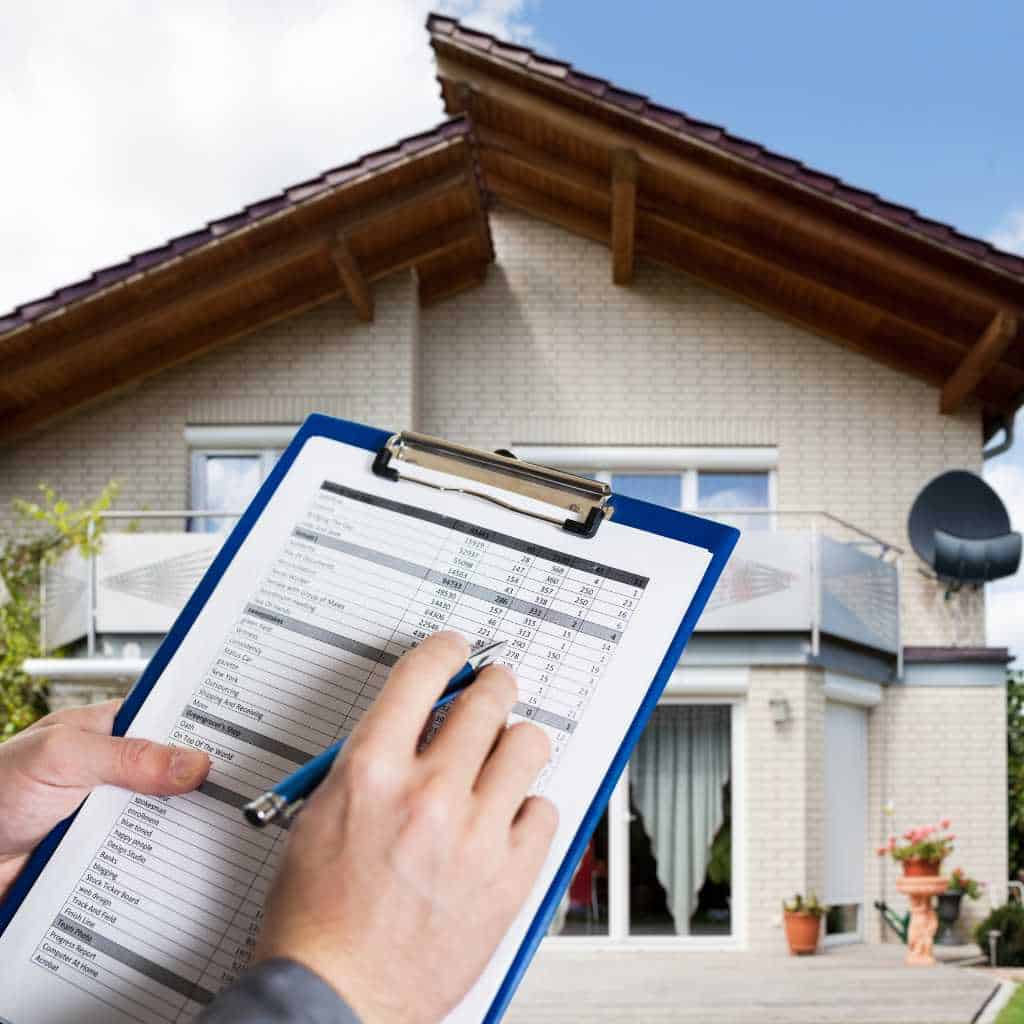
Choosing the right CASp inspector isn’t about comparing prices — it’s about confirming whether the consultant understands your industry, your risk level, and the specific Title 24 and ADA sections your property will be evaluated against. The questions you ask up front determine whether you end up with a defensible report or a generic checklist that won’t protect you when a demand letter arrives. Here’s what you should clarify before signing any contract.
What code sections will you evaluate?
A qualified CASp should tell you exactly which ADA and Title 24 Chapter 11B sections they will measure against. If they can’t list them, that’s a red flag. At minimum, they should confirm coverage of:
Accessible routes (11B-206)
Parking (11B-502)
Restrooms (11B-603)
Doors and gates (11B-404)
Counters and work surfaces (11B-308, 11B-902)
You want an inspector who uses precise citations, not broad statements like “we’ll check everything.”
How many hours will you spend onsite?
On-site hours reveal how thorough the inspection really is. Small shops shouldn’t take 20 minutes, and hotels shouldn’t take an hour. The time estimate tells you whether the inspector actually understands your site’s complexity.
Do you provide CASp 1 or CASp 2?
This question determines your legal protections.
CASp 1 – Basic accessibility evaluation (no Safe Harbor status)
CASp 2 – Full evaluation + Qualified Defendant status
If you need Safe Harbor protections, only CASp 2 qualifies.
Will you include Title 24 citations in the report?
Your CASp report must cite the exact code sections for each barrier. Reports without citations are weak, harder to defend in mediation, and often rejected by attorneys. If the inspector doesn’t cite 11B sections directly, walk away.
What’s the re-inspection fee?
A re-inspection is almost always required after corrections. Ask for the exact fee and what triggers an additional site visit. Some inspectors charge a flat fee; others bill hourly. You need this number for accurate budgeting.
Do you handle tenant improvements?
If your property has multiple suites, restaurants, offices, or frequent turnovers, this matters. Tenant improvements often trigger path-of-travel upgrades under Title 24, and you need an inspector who understands how these triggers apply in real projects.
Do you provide a transition plan?
A transition plan turns a CASp report into a workable roadmap. It lists each barrier, the correction priority, estimated timelines, and recommended sequencing. Owners who skip this step end up reacting to violations instead of planning upgrades.
Common Questions About CASp Costs in California
Is a CASp inspection mandatory in California?
No, a CASp inspection is not legally mandatory.
But if you operate a commercial property, not having one exposes you to ADA and Unruh Act lawsuits, which are far more expensive than the inspection itself. Many owners treat CASp as “optional until it isn’t,” and that’s usually after a demand letter arrives. CASp 2 reports also provide Safe Harbor protections that reduce penalties and legal pressure.
Why do CASp quotes vary so widely?
CASp quotes vary because inspectors price based on measurement workload, not building size.
Restrooms, slopes, parking lots, multiple entrances, and older structures all increase hours — and hours drive cost. A simple office may take 90 minutes to inspect, while a restaurant or gas station of the same size can take half a day because of Title 24’s measurement density.
How long does a CASp inspection take?
Most inspections take between two hours and a full day.
Small suites are quick, but hotels, gas stations, restaurants, and multifamily properties require deeper measurement of slopes, paths of travel, restrooms, and parking. Larger or older sites often extend the inspection because more areas need documentation under ADA and Chapter 11B.
Do CASp inspectors do repairs?
No, CASp inspectors do not perform repairs.
Their role is to evaluate, document, and prioritize code violations — not correct them. Some consultants help coordinate with contractors or create transition plans, but the physical work is always handled separately to avoid conflicts of interest.
How often should I get a CASp inspection?
Most properties benefit from a CASp inspection every three to five years.
That window shortens if you remodel, change tenant layouts, upgrade parking, or receive a complaint. Properties with high turnover restaurants, retail centers, hotels usually schedule inspections more frequently because layouts shift and new barriers emerge.
What if my building is historic or very old?
Older or historic buildings still require accessibility compliance, but they follow different modification rules.
Historic structures often allow alternative methods if standard compliance would damage architectural integrity. That doesn’t remove the need for a CASp inspection — it simply changes the corrective path. Expect more measurement time because older buildings have irregular geometry.
Does CASp help if I already received a demand letter?
Yes, CASp helps immediately if you’ve received a demand letter.
A CASp 2 inspection secures Qualified Defendant status, which pauses the case for 90 days and forces an Early Evaluation Conference. Attorneys use CASp reports to negotiate reduced penalties, establish actual violations, and outline correction timelines. Without CASp documentation, you’re negotiating blind.
How much does a CASp re-inspection cost?
Re-inspections usually cost between $300 and $1,500 depending on site size and the number of corrected items.
Inspectors must return, verify measurements, update the report, and issue new photos. Correcting slope issues or multiple restrooms typically requires more of their time, so expect the higher end of the range.
Is the CASp report confidential?
Yes, a CASp report is confidential unless you choose to disclose it.
California law allows owners to keep reports private to avoid exposing findings during litigation. You control when and how the report is shared, except in situations where Safe Harbor protections require documentation during settlement discussions or EEC meetings.
Getting a Transparent, Accurate CASp Inspection Price in California
By this point, you’ve seen how many variables shape a CASp quote — and why a “standard price” doesn’t exist in California. A transparent CASp price comes from understanding your site’s complexity, the number of elements that must be measured under Title 24, and the level of legal protection you want. When you approach the inspection like a scoped project instead of a generic walkthrough, your budgeting becomes far more predictable.
If you’re gathering quotes, start by listing your square footage, restroom count, parking layout, entrances, and remodel history. Those details let an inspector estimate real measurement hours rather than guessing. It also helps you compare bids on equal terms instead of choosing the lowest number and discovering gaps later.
For owners who need a defensible report or plan to remodel, exploring commercial accessibility consulting can clarify timelines, priorities, and expected correction costs without locking you into construction too early. A structured plan will prevent you from spending money in the wrong places or correcting barriers out of order.
Additional Resources for Accurate CASp Cost Planning
ADA.gov
https://www.ada.gov/
California Division of the State Architect – CASp Directory
https://www.dgs.ca.gov/
California Building Code – Chapter 11B (Accessibility)
https://codes.iccsafe.org/
IRS Disabled Access Credit (Form 8826)
https://www.irs.gov/forms-pubs/about-form-8826

Written by Emily Johnson
Emily Johnson is a Certified Access Specialist (CASp) Inspector and is passionate about making spaces accessible for all. With over 10 years of experience and degrees in Civil Engineering and Architecture, she inspires others while championing ADA awareness.
RECENT POSTS
CATEGORIES
Get a free quote today!
By clicking “Submit”, you are signing up to receiving emails from us. You can unsubscribe whenever you like. SMS rates may apply.
Want To Know More About ADA Accessibility And How To Get Compliant?
Check out our blog!